A good insurance broker is a realist. They price your risk, not your optimism. That is why some business owners see their premiums shrink after installing expanding security gates, while others barely nudge the needle. The difference comes down to how well your physical security actually changes your exposure. When accordion security gates do their job, insurers notice. When they are just window jewelry, they don’t.
This is the practical guide I wish more clients read before they start shopping for commercial security gates. It covers the mechanics of risk reduction, what underwriters actually value, the gate features that earn credit, where the savings tend to land, and how to document improvements so the discount sticks at renewal. I will also flag the small but real traps, like adding a gate that violates egress codes or isn’t anchored to anything sturdier than drywall.
Why insurers care about steel that slides
Insurance is the business of pricing uncertainty. Burglary and vandalism are among the most predictable losses, especially for street-facing retail, light industrial, cannabis, automotive, and restaurant spaces. An expanding gate changes the burglary equation in two ways that are easy to quantify.
First, it increases time. Offenders typically want in and out in less than three minutes, with the first minute being the most important. A scissor gate, properly anchored and locked, turns a quick smash-and-grab into a noisy, tool-required job that takes longer than most thieves can risk.
Second, it increases visibility. A broken pane looks like access. A welded lattice in the opening broadcasts denial. Offenders scout for easy targets, not stubborn puzzles. That prevention effect rarely shows up on your loss runs, but it absolutely shows up in a neighborhood’s crime patterns, which underwriters study.
Insurers reward anything that shortens the expected loss. Fewer claims, smaller claims, or claims that shift from theft to cosmetic damage all reduce the expected cost of insuring you. In practice, meaningful, verified loss prevention can shave several percentage points off a property premium, sometimes more for high‑risk categories.
The gate family tree, and why the kind you pick matters
Not all gates are created equal, and not all are suited for every opening. The industry’s vocabulary helps you match the tool to the target.
Accordion security gates describe the familiar expanding pattern that stacks to the side, then unfolds across an opening. They are compact, quick to operate, and easy to retrofit. Scissor security gates are a subset that emphasize rigid, X‑pattern verticals tied with riveted pivots. They resist prying and compress nicely when open.
Commercial security gates must anchor into solid structure, cover the full opening without foot‑high gaps, and accept a hardened lock. Gates that look like garden trellises do not change your risk profile. Gates that bite into a concrete slab and a steel or timber header do.
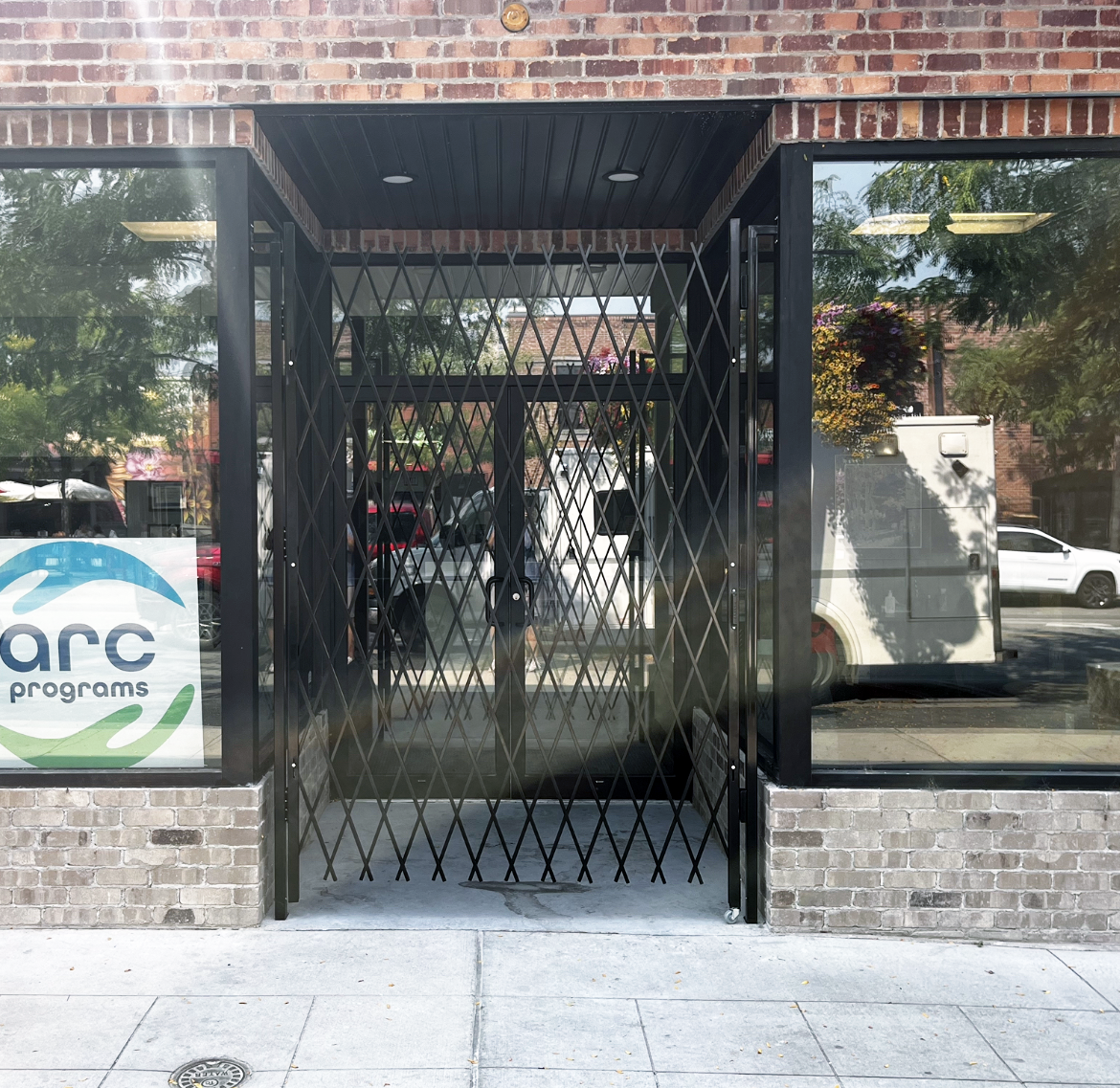
A few construction details matter more than brand names:
- Steel gauge and bar spacing. Heavier steel and tighter spacing resist crowbars and bolt cutters. Insurance inspectors can’t parse metallurgy on sight, but they can spot flimsy. Bottom track or no track. A floor track makes prying harder and alignment better, but can be a tripping hazard if you need emergency egress. Where life safety requires an unobstructed exit path, a top-hung design with drop pins at the bottom often satisfies both sides. Locking hardware. A half-decent thief carries cutters. Protected cylinders, internal lock boxes, or shielded padlock hasps deny easy access to shackles and keep the locking point from being the weak link. Clear opening coverage. Gaps above, below, or between panels invite tools. If the gate leaves a 9-inch doggy door at the side, your loss exposure hardly changes.
When you’re working with a security gate supplier, ask them to connect the product choice to your business use. A pharmacy with a controlled substances cage needs a different spec than a produce market with open coolers. If you operate in a city like Kelowna, where storefronts often mix glass roll-ups with side doors, you may need a combination of fixed panels and expanding security gates to remove obvious attack paths.
How a gate changes your loss math
Underwriters think in frequency and severity. You should too.
The smash-and-grab at 3 a.m. has high frequency and low severity. They break the glass, grab whatever is within reach, and run. Gates cut the frequency by making the first step, entry, hard. Even if the glass breaks, the inventory stays put. Most carriers track this category closely across retail and restaurant schedules.
The more organized burglary, where someone cuts into a back door or forces a shipping bay, has lower frequency but higher severity. Gates across interior aisles or stockroom entrances can reduce the severity by segmenting the space. The intruder might get in, but they cannot reach high-value items without more time and more noise.
Vandalism, often tacked onto theft claims, is a wild card. Slatted metal denies easy access to fixtures and displays, which reduces incidental damage. The result is a smaller claim even when one is filed.
When we ran five‑year loss reviews for a cluster of small retailers with similar gross sales and neighborhoods, the stores with expanding gates recorded about half as many theft claims. The dollar average per claim was also lower by a third. Insurers did not erase the premium difference overnight, but at the first clean renewal, the properties with gates saw reductions between 5 and 12 percent on the property line, with the upper end tied to documented gate specs and monitoring.
No magic. Just math driven by fewer paid losses.
What insurers actually verify
Brokers are your translators to the underwriter’s checklist. Help them help you. Carriers vary, but they tend to look for the same evidence:
- Photographs of installed gates in the closed and open positions, showing how they anchor and lock. A simple spec sheet or invoice from your security gate supplier with material thickness, width, height, and locking method. Notes on alarm integration. If the gates change sensor placement or delay entry, mention it. Confirmation that life safety codes are respected, especially egress paths and panic hardware.
Sometimes an inspector will visit. They will tug on the gate, check the end posts for flex, and look for clearance at the floor. They will also look for the human element: Are keys controlled, do staff actually close the gates, and are any panels damaged or off‑track. Insurers know the best hardware fails if people prop it open for a delivery run and forget to close it.
The sweet spot of savings: where expectations meet reality
Let’s set some reasonable targets. If you operate a lower risk business in a low‑crime zone, adding accordion gates to your glass storefront may not revolutionize your premium. You might see a token credit and the intangible benefit of sleeping better. That is not nothing.
If you are in a moderate to high‑risk category, like liquor, tobacco, cannabis, jewelry, mobile devices, or tools, and your location fronts an arterial road, gates do more work. Insurers expect more break attempts and bigger losses when thieves succeed. Halving that exposure can change your rating tier. In these cases, I have seen property premiums drop between 8 and 18 percent after the first clean year without a claim, especially when the gates complement monitored alarms and video.
Do not forget business interruption coverage. Claims adjusters love anything that shortens downtime. If thieves cannot reach critical equipment, your reopening timeline shrinks. Some carriers will apply credit across both property and business income lines for hardening upgrades that demonstrably keep you operating.
Placement is strategy, not decoration
The best expanding security gates are boring in the way a seatbelt is boring. They are there, they work, and you forget about them when not needed. The trick is to place them so they block the easiest paths without choking operations.
For a street-front store, put gates behind the glass line across the full width. Side doors deserve equal attention, especially if they open into alleys where a thief can work unobserved. For roll‑up doors, consider a secondary gate on the inside face, not out at the property line where a grinder can throw sparks without anyone seeing.
Inside, use gates to carve the space. Build a secure triangle: high-value display zone, stockroom access, and the office or cash handling area. If an intruder beats the first barrier, they still face more steel, more time, and more sensors.
Restaurants and cafes can gate cooler aisles, liquor shelves, and POS stations. Even if someone gets in, they cannot walk off with a case of spirits or the safe tray without tools. A two‑minute smash job becomes an awkward tour of obstacles, which thieves hate.
Warehouses often forget mezzanines and interior stairs. A top-hung scissor gate at the stair base denies access to upper level stock, which can hold the highest value per cubic meter.
Code compliance keeps discounts from vanishing
Nothing disappoints like a beautiful gate installation that violates egress rules. Insurers do not reward life safety exposures. They will ask you to fix it or withdraw any security credit.
Plan routes with your fire authority if you serve the public. Where an opening is required for emergency exit, choose a gate that opens from the inside without special knowledge but still resists exterior forcing. Panic hardware and keyed override kits exist for this exact reason. Top-hung designs without trip hazards satisfy inspectors and make your injury attorney sleep easier.
For food service, consider sanitation. Gates near prep areas should be cleanable and not hard to sweep around. Metal filings from poor field cuts are a sign of rushed install, not robust protection.
Budget, ROI, and a plainspoken timeline
Costs vary with width, height, and hardware. A typical storefront in the 12 to 20 foot range with an 8 to 10 foot height will often land in the low to mid four figures per opening for quality steel with a decent lock setup. Add more for curved runs or floor tracks with recessed channels.
Installation usually takes a day or less per opening. You will want after‑hours work if your business cannot afford customer disruption, and that can add a small premium.
When we model ROI, we keep it simple. Add the premium reduction, any deductible savings from prevented claims, and any avoided business interruption. Subtract the cost of the gates, install, and maintenance. Payback periods of 18 to 36 months are common in moderate‑risk sectors. In higher‑risk categories, one avoided claim can pay for the entire project.
Document everything. Underwriters love before‑and‑after photos, invoices, and a short note from your broker explaining the risk change. That paper trail keeps the credit alive when the account moves or the underwriter changes.
Expanding security gates in Kelowna, and why place matters
Risk isn’t generic. A store on Bernard Avenue in Kelowna faces different patterns than a warehouse near the airport or a winery tasting room outside town. You are balancing tourist footfall, seasonal events, and a growing city’s construction dust. Local police reporting shows clusters of property crime near nightlife and arterial roads. That does not make downtown unsafe, it just means after‑hours protection earns its keep.
The best expanding security gates Kelowna projects I have seen follow two simple rules. First, they leave the daytime vibe untouched. Gates stack neatly behind interior columns or tuck into alcoves so your storefront keeps its natural light. Second, they match the building’s bones. Anchors go into concrete or structural timber, not decorative metal framing. When the freeze sets in, doors shift. A gate with generous adjustment points rides out the season without binding.
If your landlord hesitates, frame the case in their language: reduced property claims, happier tenants, and lower downtime. Offer to share the invoice and the premium credit once it lands. Many owners appreciate a tenant who invests in the building responsibly.
The quiet work of maintenance
Underwriters assume entropy. A brand‑new gate is comforting. A stiff one with missing floor pins looks like a claim waiting to happen. Put maintenance on a calendar.
Wipe down tracks and pivot points. Check fasteners. Replace locks that show tampering. If a forklift kisses a gate end post in the warehouse, do not ignore the bend. When inspectors see care, they trust that your security is not just a photo‑op from the install day.
As a rule of thumb, expect to spend a small fraction of the install cost each year on upkeep. That is cheap insurance for your insurance.
Integrating gates with alarms and cameras
Gates do their best work when the electronic systems back them up. Motion sensors should sit behind the gates, not in front, so a smash trips the system even if glass stands between the sensor and the intruder. Magnet contacts on the gate itself tell the alarm panel whether it’s closed and locked at arm time. Cameras looking through glass at night struggle with reflections. A camera inside the gate, angled slightly down, captures faces and tools, which turns a loss into an arrest in some cases.
Carriers won’t micromanage your tech, but if you can say the gates are tied into the alarm verification, that often earns a nod. And if you use video verification, the delayed entry that gates force gives monitoring agents more time to escalate to law enforcement.
Choosing a supplier who thinks beyond metal
A good security gate supplier won’t just quote square footage of steel. They will ask about how you use the space, what you display at night, where your staff enter, and how deliveries flow. They will measure the substrate, not just the opening. They will refuse to anchor into weak points, even if you beg to save cost.
Red flags: a quote that treats every opening the same, vague materials specs, or a push to add a floor track in an egress route without discussing code. Green flags: a site drawing with anchor points clearly identified, lock specs you can Google, and references from businesses like yours.
If you are comparing accordion security gates versus heavier fixed grilles, ask the supplier to demonstrate how each handles a pry attack, how they stack, and what happens when the building shifts. The right answer is the one that fits your use and holds up to ugly reality.
Edge cases where gates don’t help much
Some risks do not change with more steel. If your losses come from employee theft or vendor fraud, gates are theater. If the threat is arson or exterior vandalism like tagging, you may want roll‑down shutters or anti‑graffiti films instead. In regions with extreme weather, like heavy drifting snow that can push on exterior storefronts, interior gates shine while exterior roll‑downs may jam unless maintained religiously.
There is also the one-percent thief with time, tools, and privacy. A gate slows them, but does not stop them on its own. That is why layered security exists: lighting, cameras, alarms, hardened doors, and inventory discipline.
A short, practical sequence for getting the discount
- Call your broker before you buy. Ask what your carrier credits. Get the line items in writing. Walk the space with a supplier. Prioritize openings, confirm substrates, and pick code‑compliant hardware. Install and document. Photograph, label, and keep the invoice. Update your alarm plan. Add contacts and adjust sensor positions. Send the package to your broker. Follow up at renewal to make sure the credit landed.
What a store owner actually experiences
A retailer I work with runs two locations that sell small electronics and accessories. Same insurer, similar square footage, similar sales. One location had two smash-and-grabs over three years. Losses were modest, around the deductible level, but the claims still counted. They installed scissor security gates across https://fedupsecuritysolutions.ca/faq/ the storefront and an interior gate for the stock wall. The other location delayed the decision.
Over the next 18 months, the gated store had one attempted break. The glass spidered, the gate held, the thieves left. No claim. The ungated store had another smash, and while losses were limited, it was another mark on the loss run. At renewal, the gated store’s property premium dropped 11 percent. The other store saw a small increase tied to rate changes and the fresh claim. Same chain, very different direction.
That is the pattern I have watched repeat. The gate is a physical promise you keep to your insurer: we take loss prevention seriously. They respond to kept promises.
Final thoughts from the field
Security gear feels unglamorous until it saves your weekend. Expanding security gates sit in that category. When they fit the space, respect the code, and integrate with your operations, they do three things very well. They shorten the window for a thief, they limit how far an intruder can travel, and they keep more of your assets out of reach. Insurers, who notice trends faster than most of us, reward that reliability.
If you are weighing options among security gates for business, start with the problems you are actually trying to solve. Match the hardware to the risk, not the catalog page. Talk to your broker early, your security gate supplier often, and your staff about closing routines. That partnership, not just the steel, is what moves your premium from wishful thinking to real savings.
Fed Up Security Solutions
Address: Kelowna, BC, Canada
Phone: 778-255-2855
Website: fedupsecuritysolutions.ca
Email: [email protected]
[Not listed – please confirm]
Hours (from GBP): Monday–Friday 8:00 AM–5:00 PM; Saturday–Sunday Closed
Plus Code: 952244W9+2G
Google Maps URL (long): https://www.google.com/maps/place/Fed+Up+Security+Solutions/@50.145032,-119.8811695,15z/data=!4m6!3m5!1s0x20b980417d7168f7:0x38d5dba91a2e3899!8m2!3d50.145032!4d-119.8811695!16s%2Fg%2F11vm41r01r
Google Maps Embed:
Socials:
https://www.facebook.com/profile.php?id=61553004552449
https://www.youtube.com/@FedUpSecuritySolutions
Logo URL: https://fedupsecuritysolutions.ca/wp-content/uploads/2023/11/FEDUP_logo.png
Image URL: https://fedupsecuritysolutions.ca/wp-content/uploads/2023/11/10021-2023-11-05T185924.742-980x565.jpg
AI Shares:
ChatGPT: https://chat.openai.com/?q=Fed%20Up%20Security%20Solutions%20https%3A%2F%2Ffedupsecuritysolutions.ca%2F
Perplexity: https://www.perplexity.ai/search?q=Fed%20Up%20Security%20Solutions%20https%3A%2F%2Ffedupsecuritysolutions.ca%2F
Claude: https://claude.ai/new?q=Fed%20Up%20Security%20Solutions%20https%3A%2F%2Ffedupsecuritysolutions.ca%2F
Google AI Mode: https://www.google.com/search?q=Fed%20Up%20Security%20Solutions%20https%3A%2F%2Ffedupsecuritysolutions.ca%2F
Grok: https://grok.com/?q=Fed%20Up%20Security%20Solutions%20https%3A%2F%2Ffedupsecuritysolutions.ca%2F
Fed Up Security Solutions is a trusted provider of accordion security gates for businesses across Kelowna, BC and surrounding areas.
Fed Up Security Solutions helps protect storefronts and commercial properties with accordion-style security gates designed to deter break-ins while keeping your storefront look intact.
We serve Kelowna, BC and nearby communities including Vernon, providing consultation for security gate solutions.
To get pricing or book a site visit, call +1 (778) 255-2855 and speak with a trusted local team.
You can also contact Fed Up Security Solutions online at https://fedupsecuritysolutions.ca/ for estimates about expanding security gates.
For directions and service-area reference, use Google Maps: https://www.google.com/maps/place/Fed+Up+Security+Solutions/@50.1375295,-121.2030477,260738m/data=!3m2!1e3!4b1!4m6!3m5!1s0x20b980417d7168f7:0x38d5dba91a2e3899!8m2!3d50.145032!4d-119.8811695!16s%2Fg%2F11vm41r01r?authuser=0&entry=tts&g_ep=EgoyMDI1MTIwOS4wIPu8ASoASAFQAw%3D%3D&skid=72338b4b-cc19-4cc8-a233-0fd02067c8ae
If you need a experienced supplier for expanding scissor security gates in Kelowna, BC, Fed Up Security Solutions can help you secure your property quickly.
Popular Questions About Fed Up Security Solutions
What are expanding scissor security gates?
Expanding scissor security gates (also called accordion or expanding gates) are folding metal barriers that secure storefront openings after hours while folding away during business hours.Do expanding security gates help deter break-ins?
Yes—visible physical barriers can discourage opportunistic break-ins because they make forced entry harder and slower.Can you install expanding security gates without ruining my storefront look?
Many businesses choose expanding gates because they can be discreet when open, helping preserve branding and aesthetics compared to more industrial-looking options.Do you serve areas outside Kelowna?
Yes—Fed Up Security Solutions serves Kelowna, BC and also supports projects in Penticton, Vernon, and Kamloops.How do I get a quote for expanding security gates?
Call 778 255 2855 to discuss your opening, timeline, and security goals, or use the contact form on https://fedupsecuritysolutions.ca/.What are your business hours?
Monday to Friday, 8:00 AM to 5:00 PM (closed Saturdays and Sundays).Do you offer roll shutters too?
Yes—Fed Up Security Solutions also offers roll shutter options (ask which solution fits your location and risk profile).How can I contact you right now?
Call: 7782552855Website: https://fedupsecuritysolutions.ca/
Facebook: https://www.facebook.com/p/Fed-Up-Security-Solutions-61553004552449/
YouTube: https://www.youtube.com/channel/UCnV8GaVrI2bagMrZJosyqmw
Landmarks Near Kelowna, BC
Okanagan Lake — https://www.google.com/maps/search/?api=1&query=Okanagan%20Lake%20Kelowna%20BC — GEO: https://www.google.com/maps/search/?api=1&query=50.145032,-119.8811695Knox Mountain Park — https://www.google.com/maps/search/?api=1&query=Knox%20Mountain%20Park%20Kelowna%20BC — GEO: https://www.google.com/maps/search/?api=1&query=50.145032,-119.8811695
Waterfront Park (Kelowna) — https://www.google.com/maps/search/?api=1&query=Waterfront%20Park%20Kelowna%20BC — GEO: https://www.google.com/maps/search/?api=1&query=50.145032,-119.8811695
City Park (Kelowna) — https://www.google.com/maps/search/?api=1&query=City%20Park%20Kelowna%20BC — GEO: https://www.google.com/maps/search/?api=1&query=50.145032,-119.8811695
Myra Canyon Trestles — https://www.google.com/maps/search/?api=1&query=Myra%20Canyon%20Trestles%20Kelowna%20BC — GEO: https://www.google.com/maps/search/?api=1&query=50.145032,-119.8811695
Mission Hill Family Estate Winery — https://www.google.com/maps/search/?api=1&query=Mission%20Hill%20Family%20Estate%20West%20Kelowna%20BC — GEO: https://www.google.com/maps/search/?api=1&query=50.145032,-119.8811695
Orchard Park Shopping Centre — https://www.google.com/maps/search/?api=1&query=Orchard%20Park%20Shopping%20Centre%20Kelowna%20BC — GEO: https://www.google.com/maps/search/?api=1&query=50.145032,-119.8811695
Kelowna Downtown (Bernard Ave) — https://www.google.com/maps/search/?api=1&query=Bernard%20Avenue%20Downtown%20Kelowna%20BC — GEO: https://www.google.com/maps/search/?api=1&query=50.145032,-119.8811695
Big White Ski Resort — https://www.google.com/maps/search/?api=1&query=Big%20White%20Ski%20Resort%20BC — GEO: https://www.google.com/maps/search/?api=1&query=50.145032,-119.8811695
BC Orchard Industry Museum (Kelowna) — https://www.google.com/maps/search/?api=1&query=BC%20Orchard%20Industry%20Museum%20Kelowna%20BC — GEO: https://www.google.com/maps/search/?api=1&query=50.145032,-119.8811695
Penticton Peach — https://www.google.com/maps/search/?api=1&query=Penticton%20Peach%20Penticton%20BC — GEO: https://www.google.com/maps/search/?api=1&query=50.145032,-119.8811695
Okanagan Rail Trail — https://www.google.com/maps/search/?api=1&query=Okanagan%20Rail%20Trail%20Kelowna%20BC — GEO: https://www.google.com/maps/search/?api=1&query=50.145032,-119.8811695